Cleaning Up the Turn Loop
When we stripped down Carrier from 198 cards to 89, we fixed our setup bloat. But streamlining the deck forced us to take a hard look at the actual turn-to-turn mechanics: what happens right before an Encounter is drawn, and how do players manage their gear?
In earlier versions, trading was messy, players hoarded cards indefinitely, and Carriers would shout out revelations in the middle of other players' actions — often triggering arguments when an encounter card was drawn at the exact same split-second.
To fix this, we structured the turn around a strict Pre-Draw Action Window, introduced a Shared Group Inventory, and re-engineered the Carrier elimination timing. Here is how a turn flows in the new build.
Setting the Stage: The First Turn
Once every player receives their Character (a public role) and their Allegiance (a secret role), the game is ready to begin. The youngest player at the table takes the first turn.
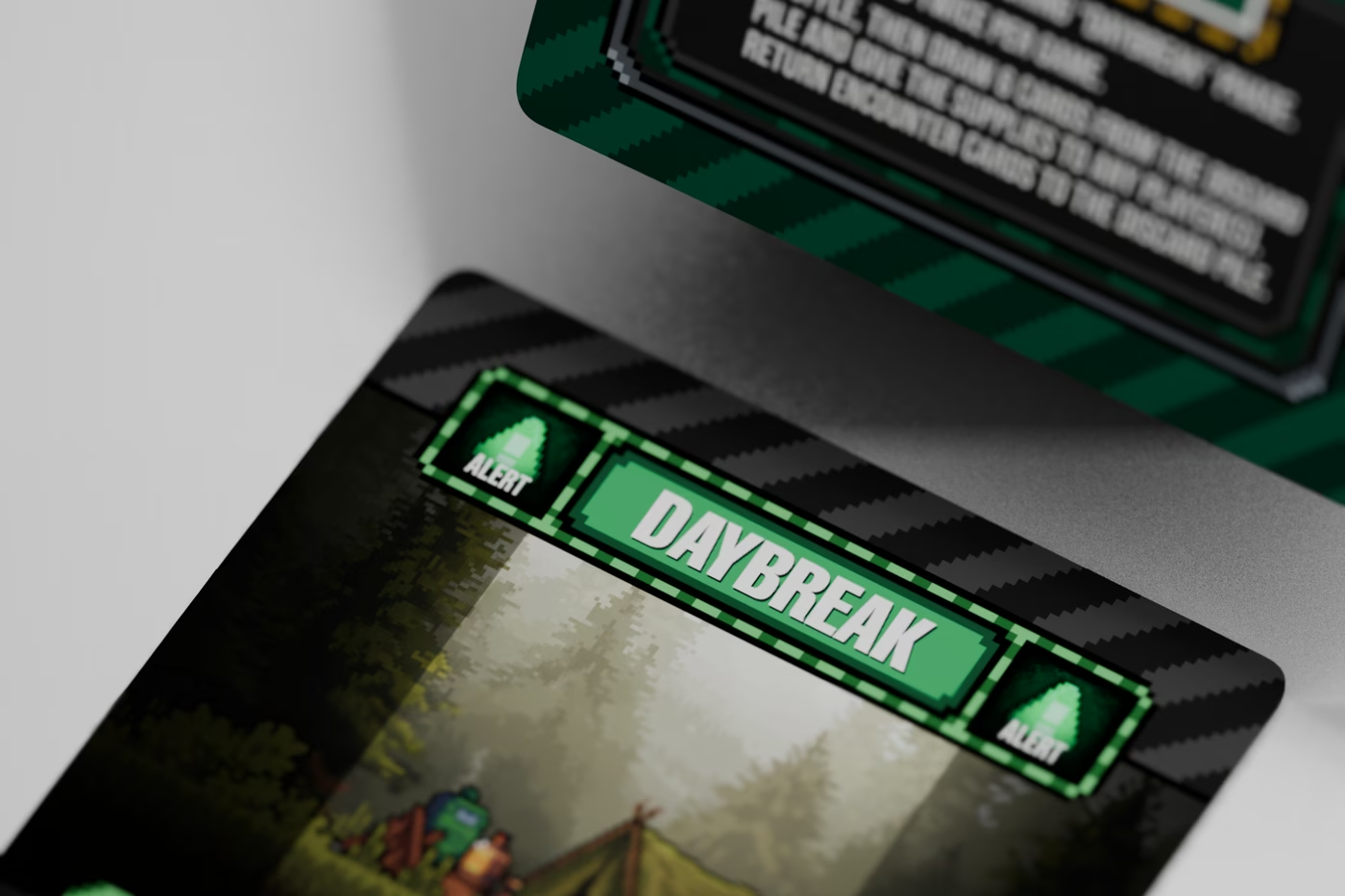
The starting player also makes the opening call: whether the group begins the journey in Daybreak or Nightfall. This sets the active phase for the entire first rotation around the table, and it matters immediately — most character abilities only work during a specific phase.
The Pre-Draw Window
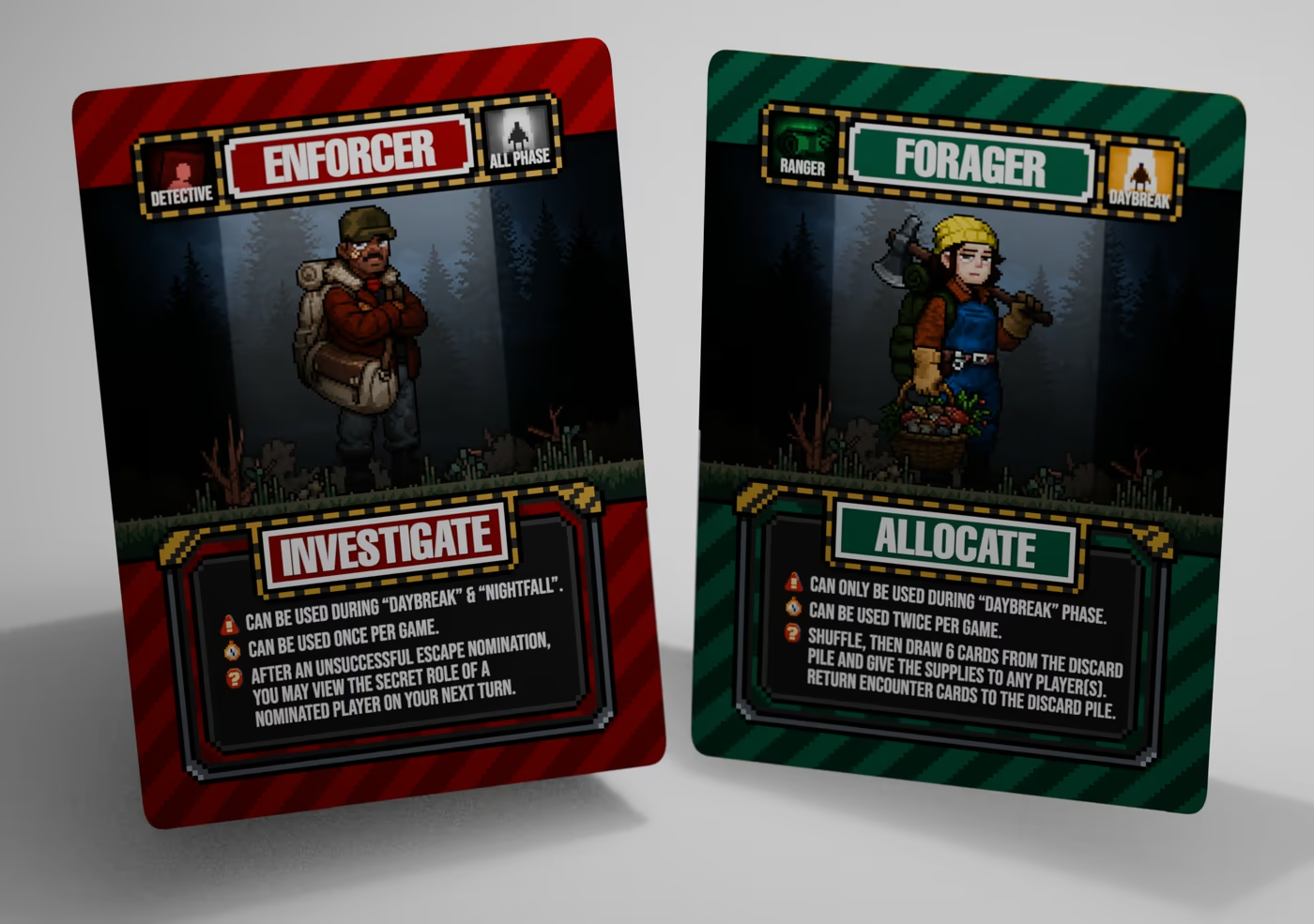
Before a player touches the Encounter Deck, they enter their Pre-Draw window. Any pre-draw actions must be completed before drawing an encounter card. On your turn, you may take any of the following.
Activate Character Ability
If your character matches the current phase — Daybreak, Nightfall, or All Phase — and you still have uses remaining, you may activate it now.
Interact with the Shared Inventory
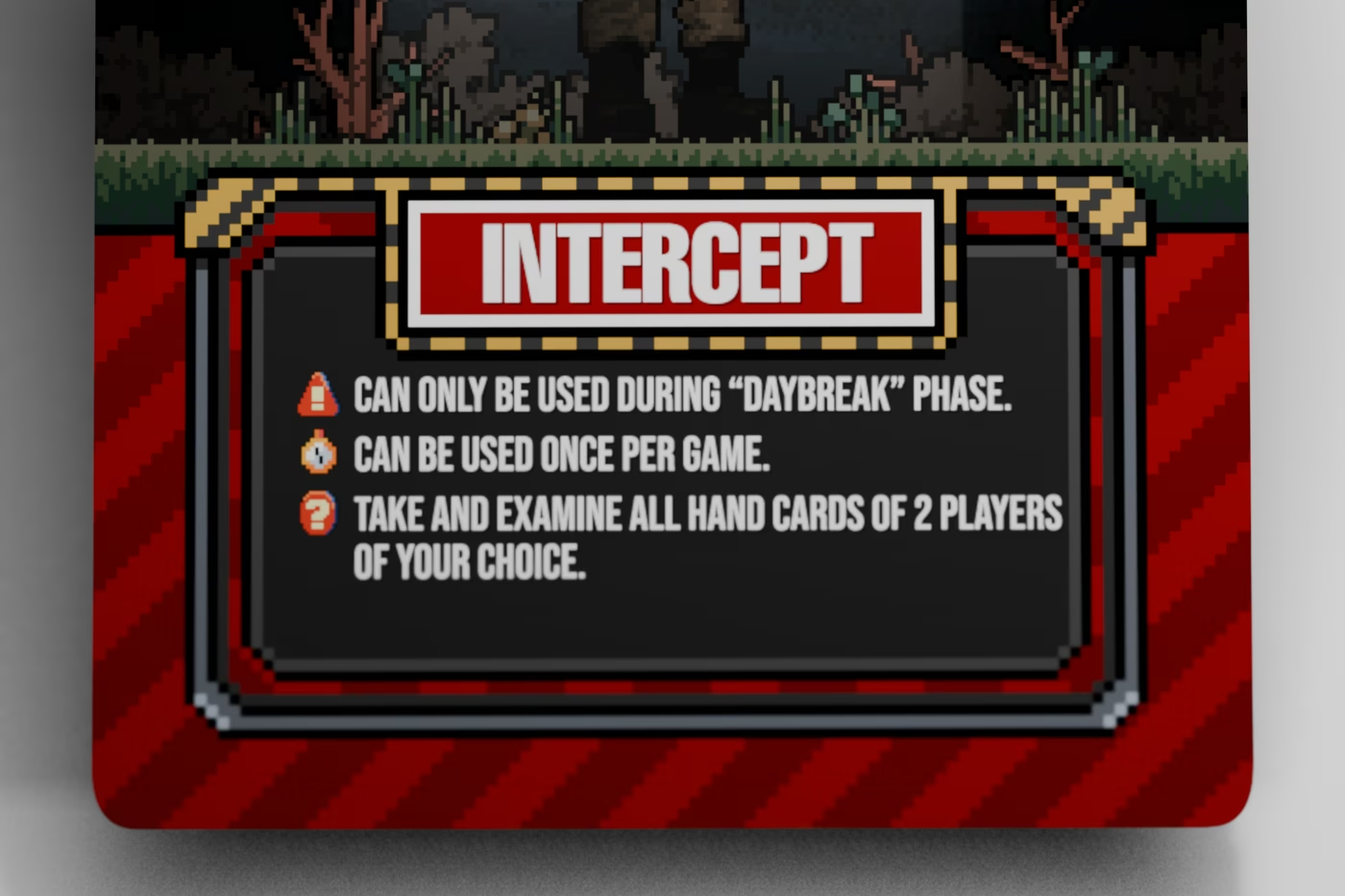
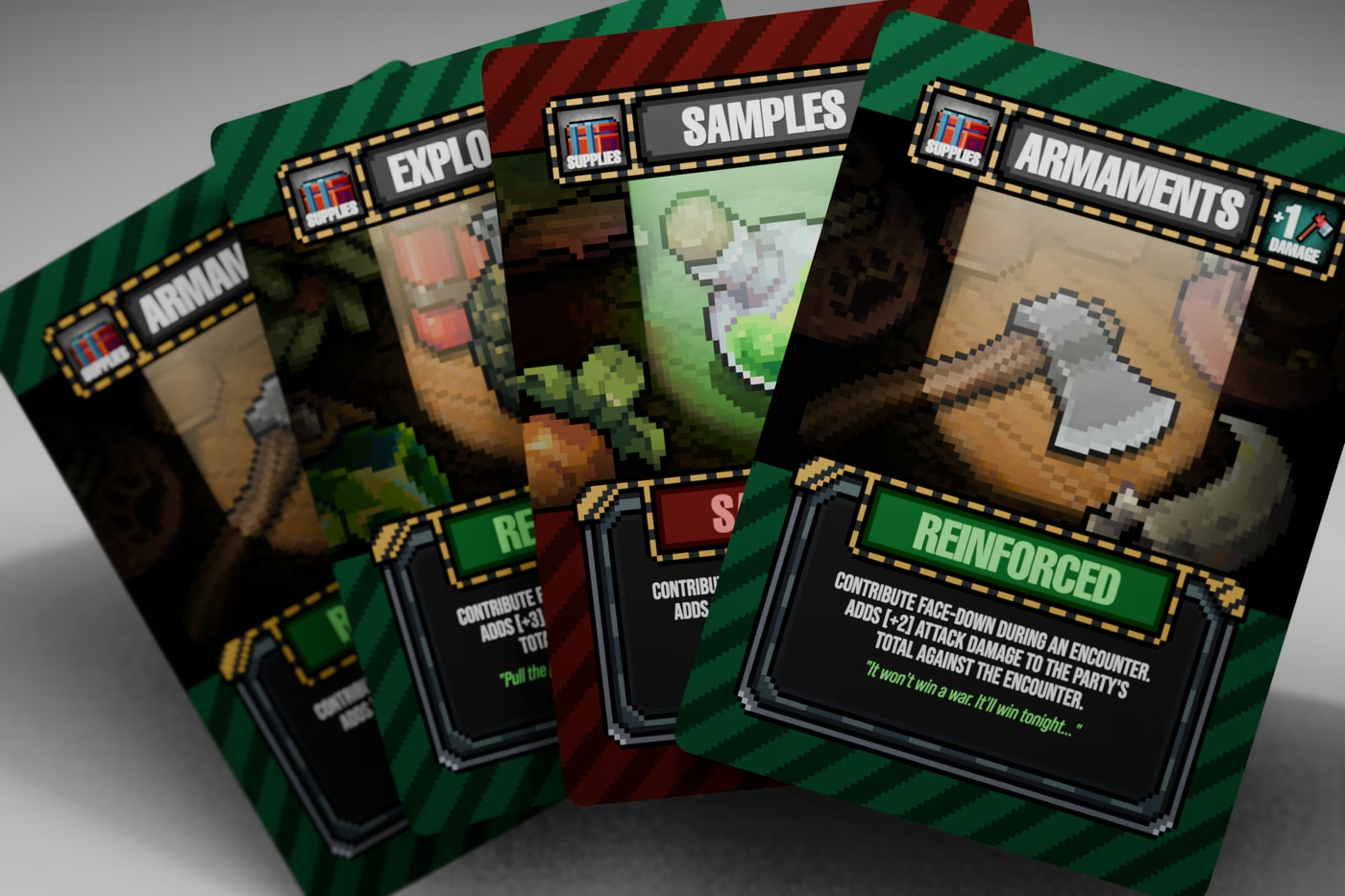
You may contribute an item to, or take an item from, the group's central inventory pool. Contributing is done anonymously — nobody sees who deposited what.
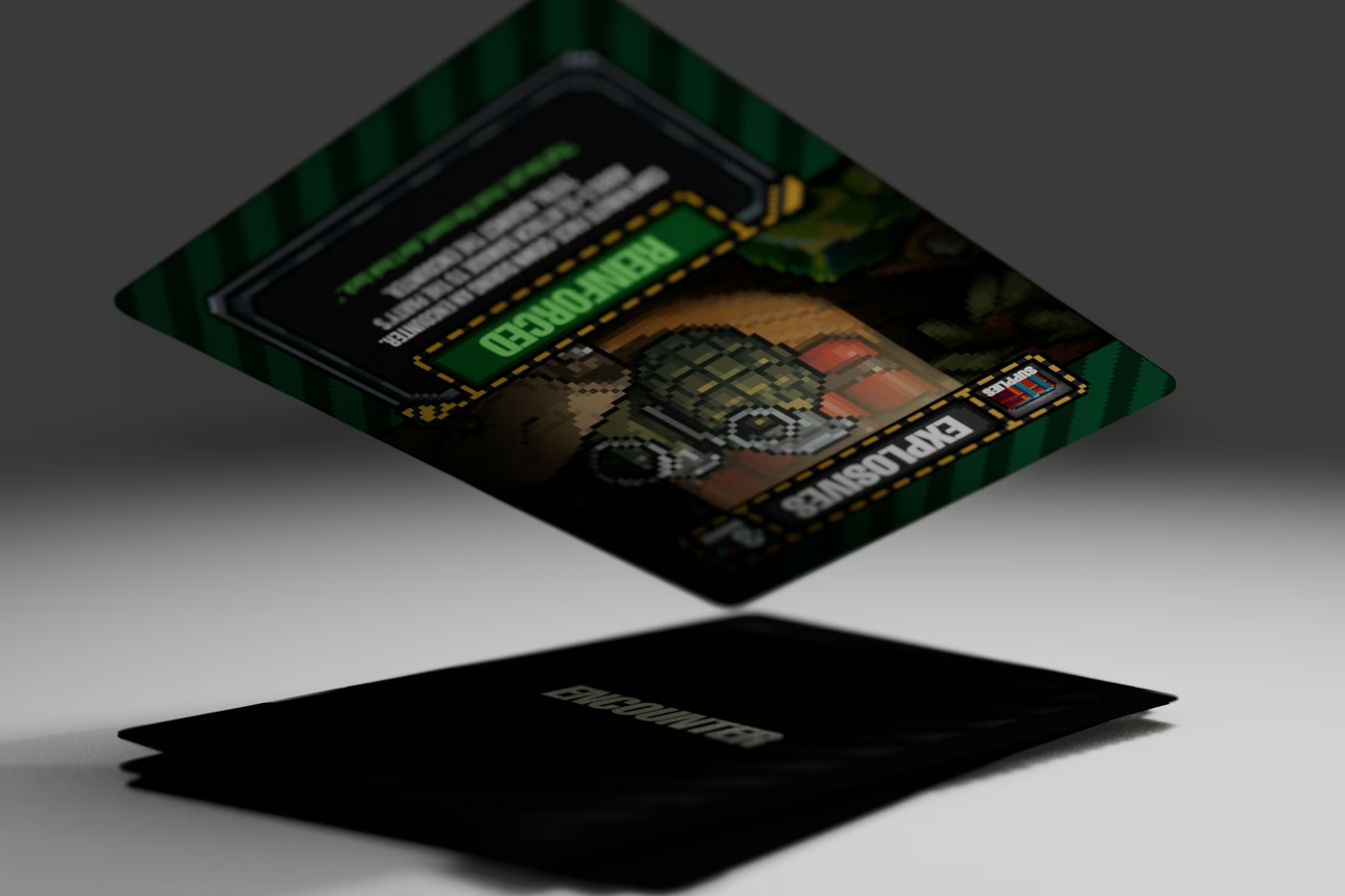
When you wish to take from the Shared Inventory instead, you can go through all the cards openly and choose the one you want.
Carrier Reveal and Elimination
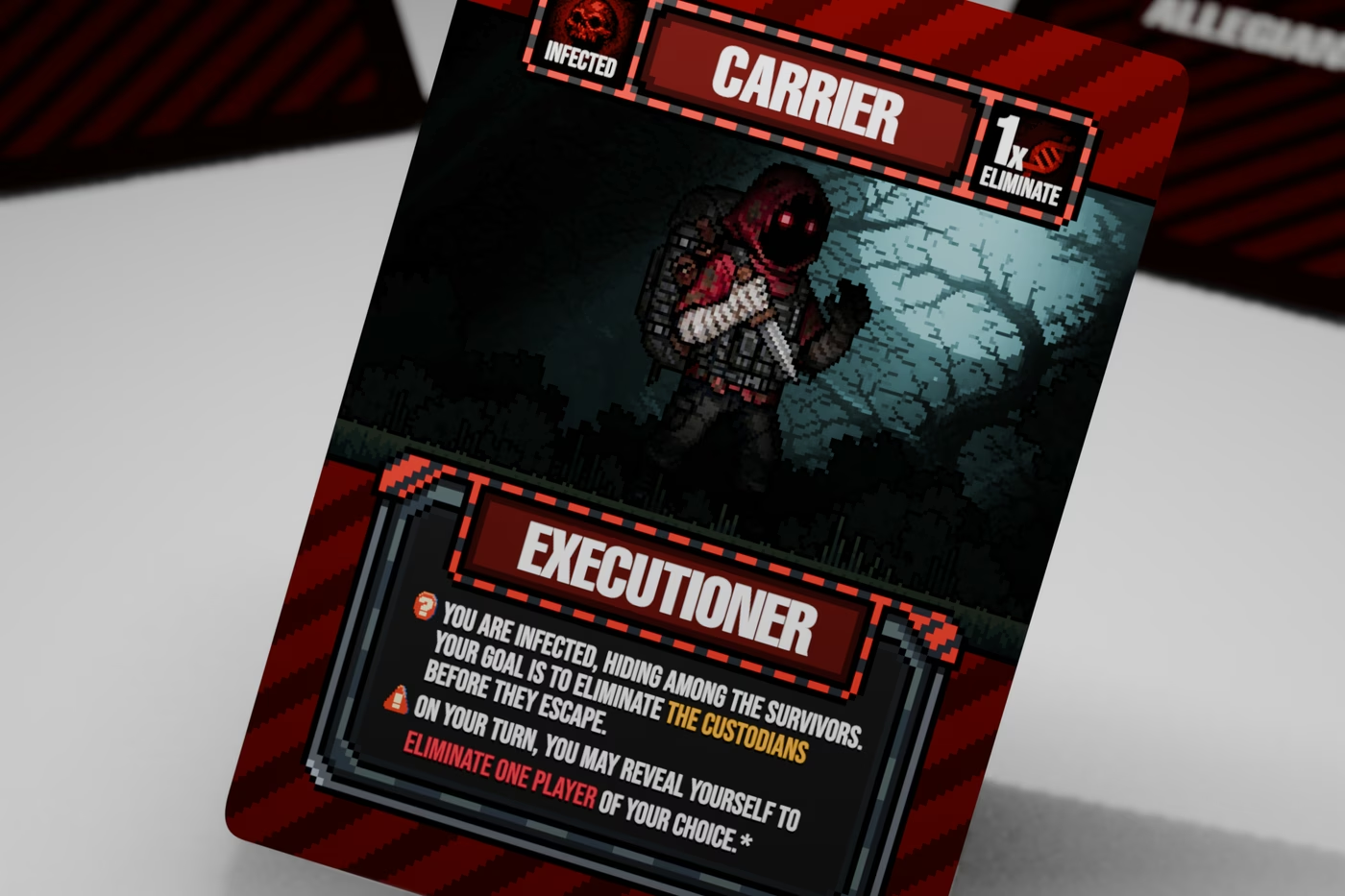
If you are a Carrier, you may choose this moment to reveal your secret role and eliminate a player. Once these actions are resolved, or passed, the player draws from the Encounter Deck to face the horde.
The Shared Group Inventory and the Overencumbered Rule
Direct player-to-player card passing caused downtime and clunky negotiations, so we replaced private trading with a central shared inventory. Instead of handing cards directly across the table, players deposit useful items into the common pool or pull gear out to prepare for upcoming fights.
To keep gear moving and stop players from sitting on massive armories, we introduced a strict hand size rule.
| Hand Size | Status | Encounters |
|---|---|---|
| Up to 3 cards | Standard Capacity | Eligible to fight |
| 4+ cards | Overencumbered | Cannot fight |
A player can technically hold more than 3 cards, but doing so marks them as Overencumbered, and an overencumbered player cannot participate in any Encounters until their hand is back down to 3 cards or fewer.
That restriction creates two different tactical dilemmas. A Survivor has to decide whether to sideline themselves from combat to safely transport multiple high-tier weapons or vital Samples for the cure — or to keep some in reserve for a Character ability that requires them. A hidden Carrier faces a quieter version of the same choice: hoard items under the guise of "holding resources," and you remove yourself from fights while forcing the rest of the group to face the horde shorthanded.
Fixing the Carrier Misfire: No More Mid-Turn Kills
One of the biggest procedural changes in this build is how and when Carriers can strike. Previously, Carriers could reveal their secret role at almost any time, including between other players' turns. While exciting in theory, it created constant table friction — a player would reach to draw an encounter, a Carrier would yell to reveal, and the table would get bogged down arguing over which action took priority.
The new rule: Carriers can no longer reveal between turns. A Carrier must wait until their own turn and reveal during their Pre-Draw action window to eliminate a target.
That removes timing disputes entirely — no more overlapping actions, misfired card draws, or contested priority calls. It also gives Survivors a slight predictability window, since nobody gets assassinated mid-draw on their own turn. In exchange, Carriers have to play more calculatingly, timing their turn order and using the Pre-Draw window to strike with maximum psychological impact.
The New Turn Cycle at a Glance
| Step | Phase | What Happens |
|---|---|---|
| 1 | Start Turn | The active player begins their turn. |
| 2 | Pre-Draw Actions | Choose any/all: use Character Ability (if Phase matches); deposit to/withdraw from the Shared Inventory; reveal as Carrier to eliminate (optional). |
| 3 | Check Hand Capacity | Over 3 cards = Overencumbered. |
| 4 | Draw Encounter Card | The player draws from the Encounter Deck. |
| 5 | Resolve Encounter | The Leader selects the participating party; Overencumbered players cannot fight. |
| 6 | End Turn | Play passes to the next player. |
What's Next?
Restricting the Carrier kill window is a deliberate design choice to prioritize smooth table flow over chaotic interruptions. We'll be watching this closely during upcoming playtests to see if Carriers feel appropriately lethal or if they need compensatory tools.
Stay tuned for our upcoming playtest reports!