The World Turns: Understanding Daybreak & Nightfall
Before diving into character abilities, it’s important to understand how time moves in Carrier.
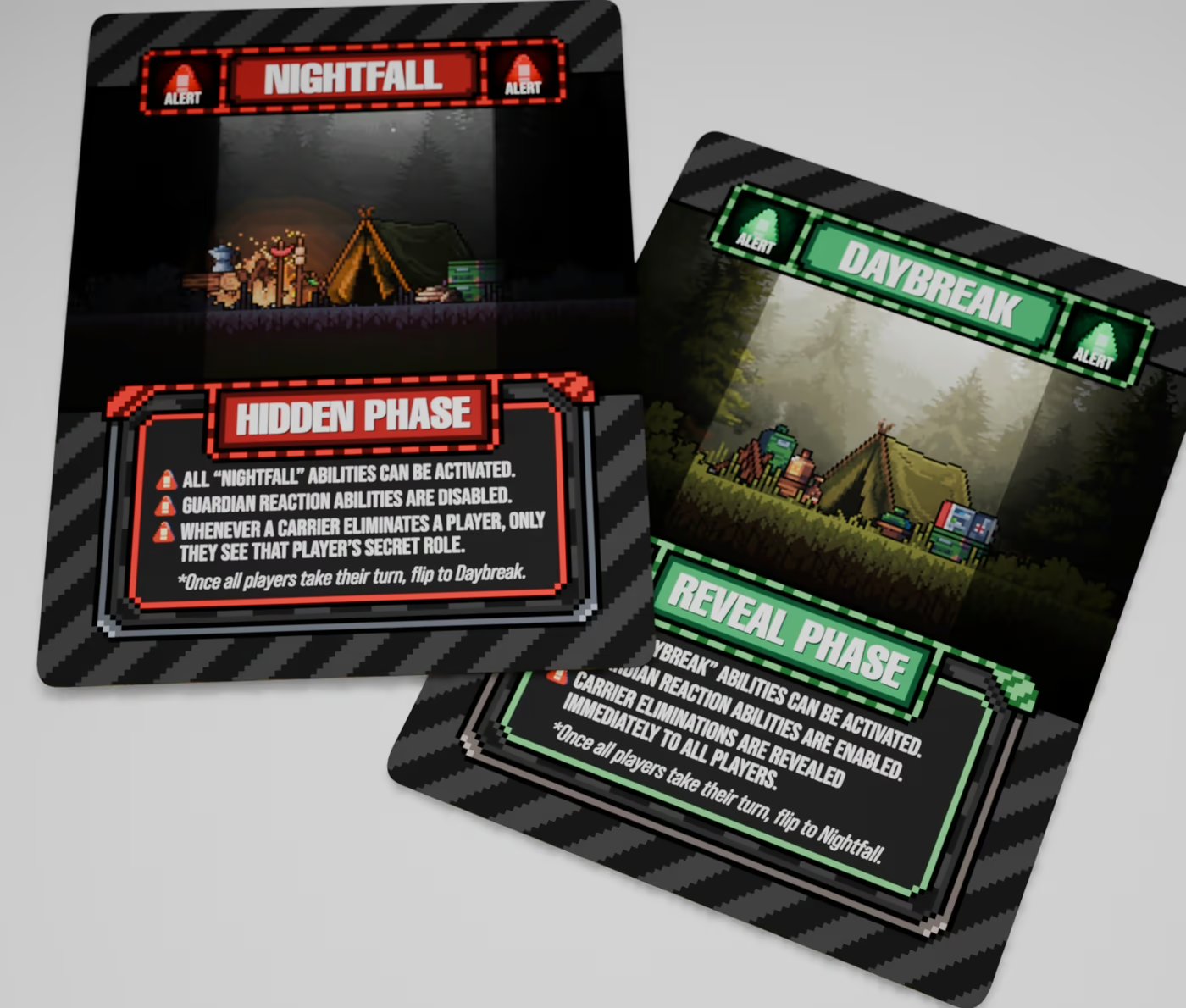
Survival isn't a static standoff—the world constantly cycles between daylight preparation and nighttime dread. This cycle is controlled by a central phase card and a straightforward round structure:
- Setting the Journey: At the start of the game, the first player chooses whether the group begins their journey in Daybreak or Nightfall.
- A Full Table Rotation: That chosen phase remains active for a complete round while every player at the table takes their turn.
- Flipping the Phase: When play circles back to the first player to start the next round, they flip the central phase card over to the opposite phase (e.g., Daybreak flips into Nightfall, and vice versa).
This alternating rhythm creates a predictable heartbeat for the game—setting the stage for when characters can deploy their most potent skills.
The Problem with Consecutive Power Spikes
In earlier playtests without this cycle, character abilities caused a serious pacing headache.
While players were allowed to trigger abilities on their turn, many of these powers—like digging through discards for supplies, seizing player hands, or inspecting secret roles—are inherently game-shifting. When players chained these massive abilities consecutively back-to-back in the same round, it completely warped the game.
The horde was trivialized, information flooded the table too quickly, and social deduction collapsed. In short: when every single turn became an uninterrupted barrage of superpowers, the game lost its tension and stopped being fun.
To balance the power curve and give the table a natural breathing rhythm, we anchored every character's skill directly to this Day/Night cycle: Daybreak, Nightfall, or All Phase.
The Anatomy of the New Character Cards
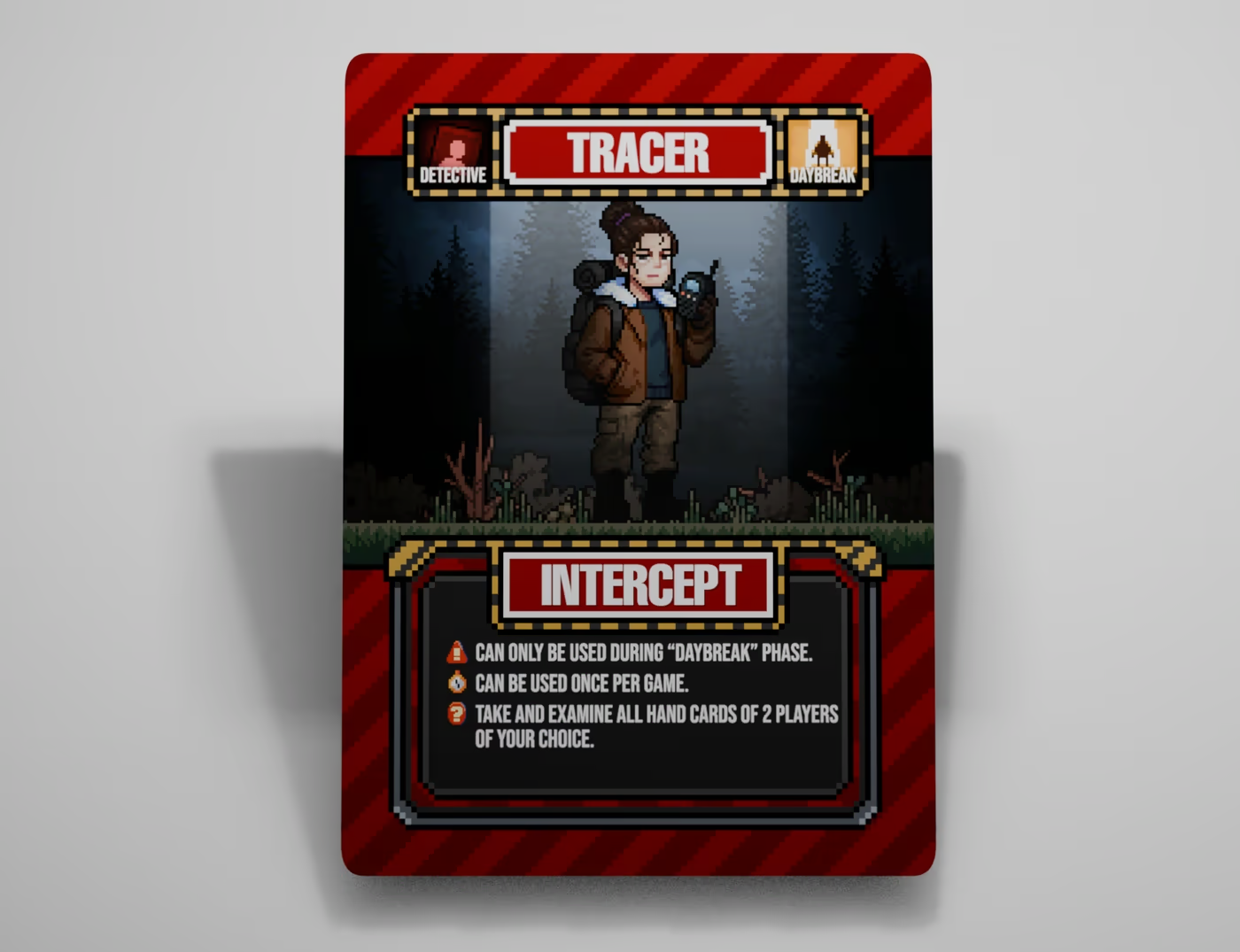
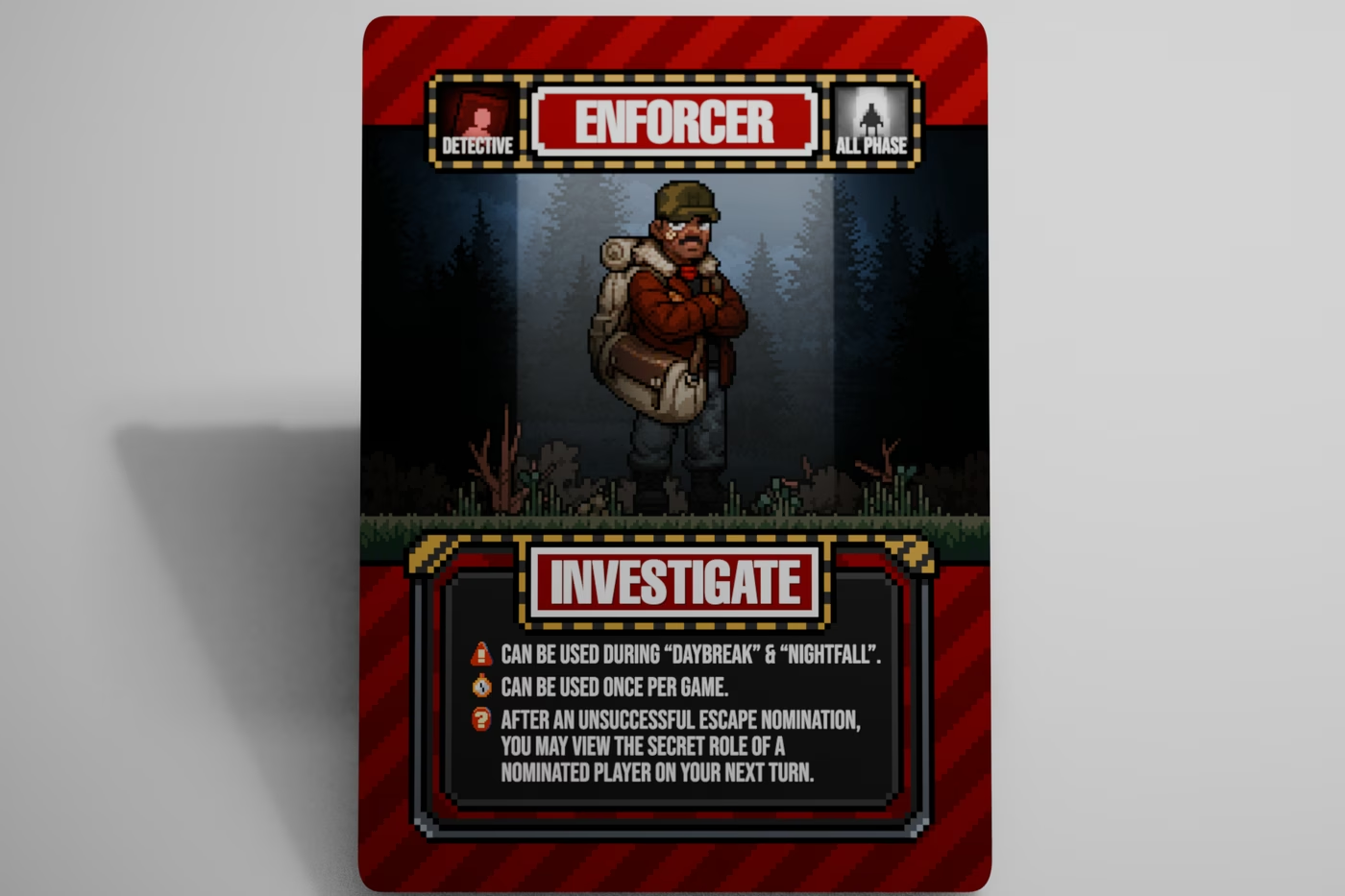
We rebuilt the card frame from the ground up to give players complete visual clarity across the table. Every card now communicates its role and timing instantly:
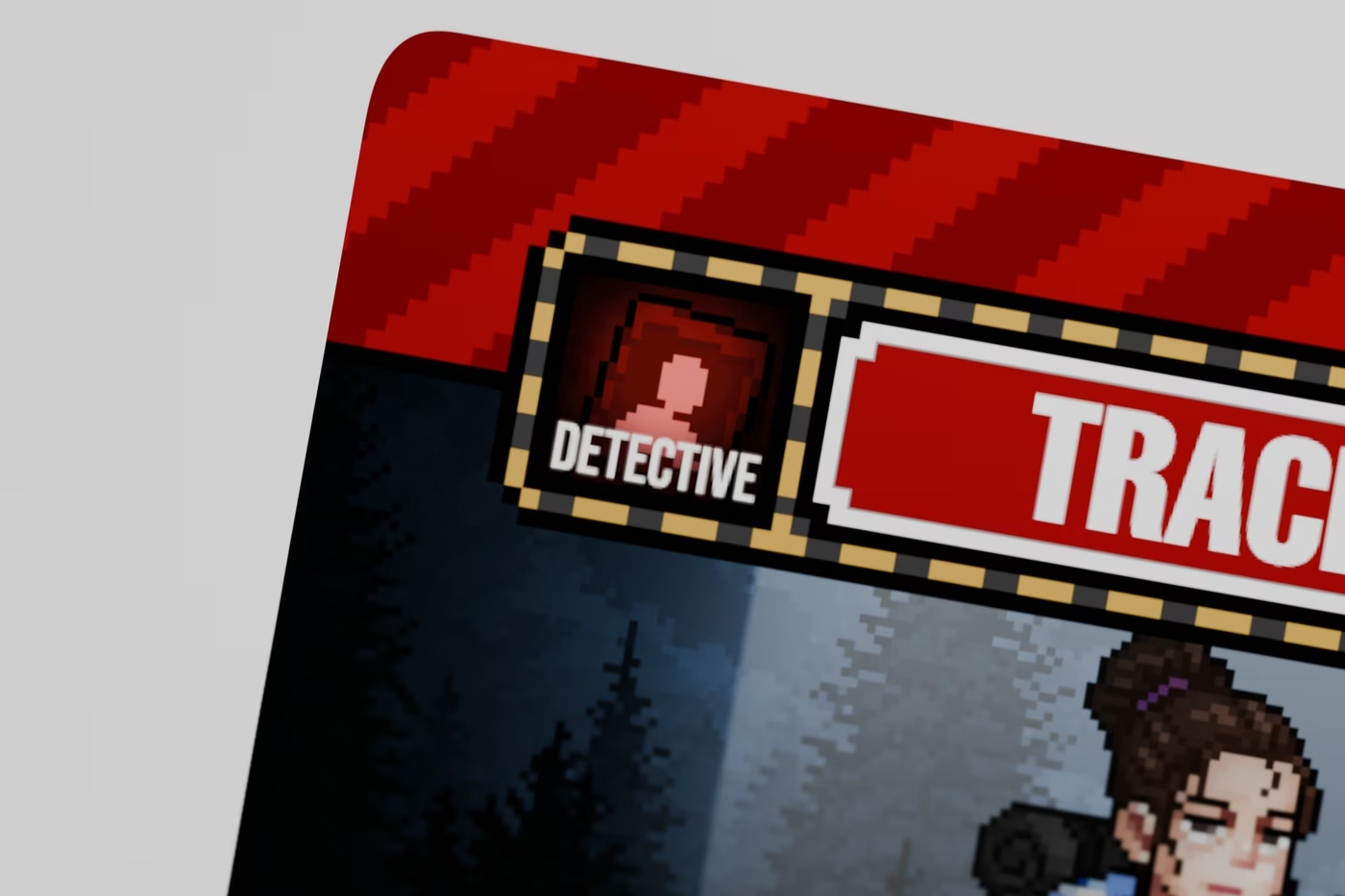
Top-Left Class Badge: Categorizes the character's functional archetype (e.g., Rangers in Green for supply management, Detectives in Red for intel and deduction).
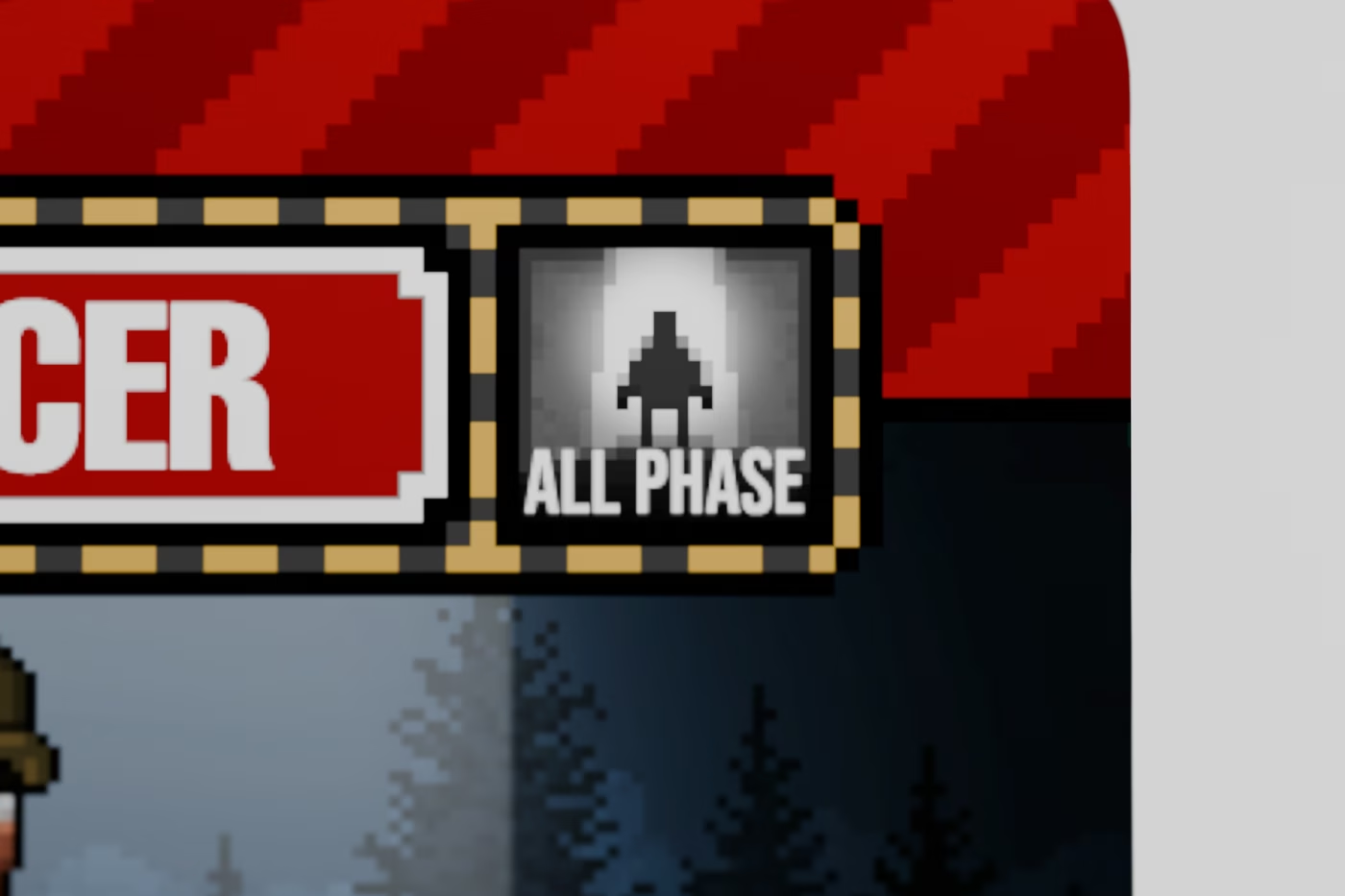
Top-Right Phase Indicator: A high-contrast, color-coded badge showing whether the card activates during Daybreak, Nightfall, or across both.
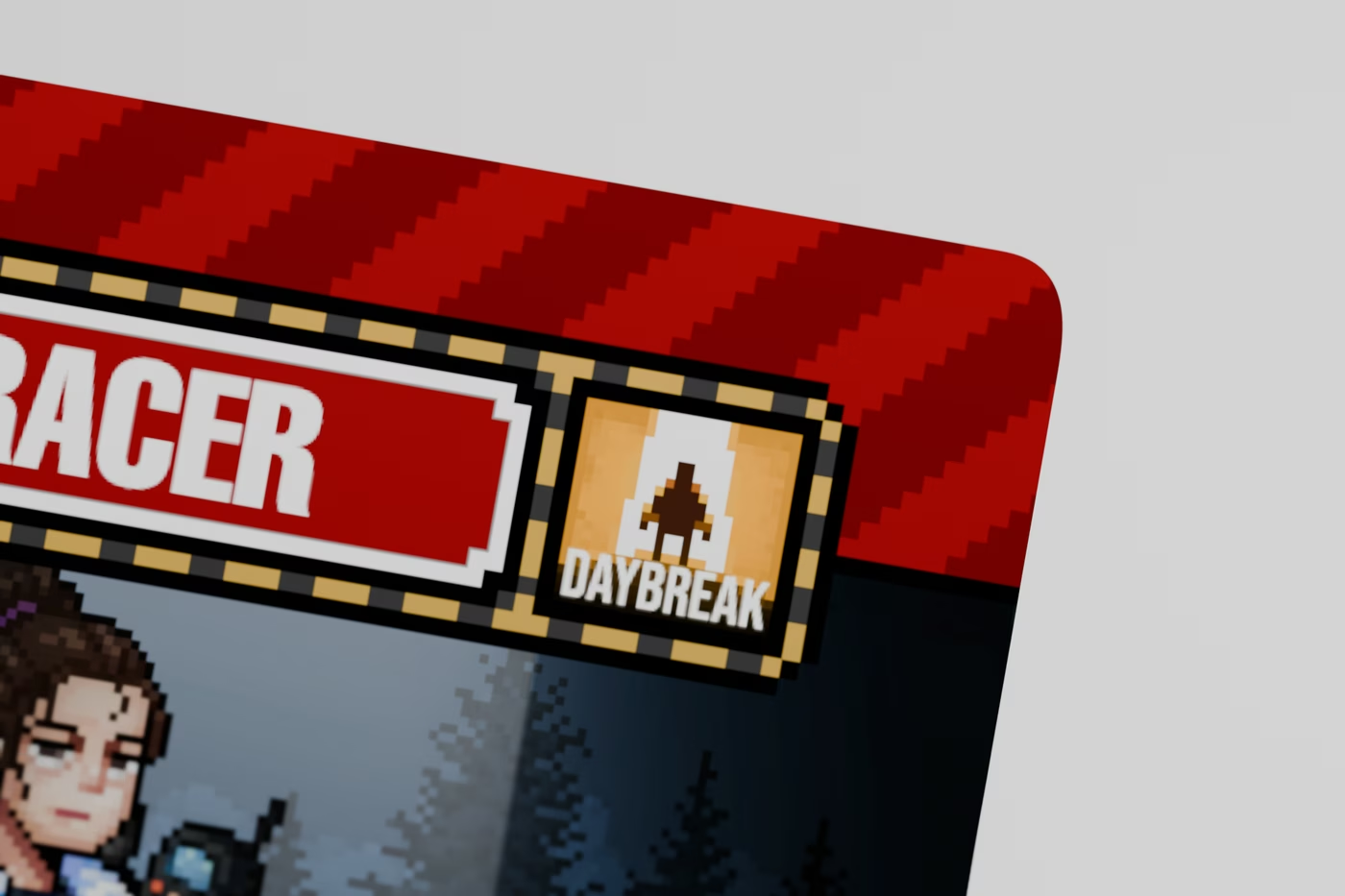

Daybreak (Preparation & Scavenging)
Daybreak represents daytime camp operations—scavenging resources, repairing gear, and assessing the group before facing the horde.
- Tracer (Detective): Uses INTERCEPT during Daybreak to seize and inspect the full hand of 2 chosen players, uncovering who is hoarding weapons or holding sabotage cards.
- Forager (Ranger): Uses ALLOCATE (twice per game) to draw 6 cards from the discard pile and distribute any found Supplies to teammates.
- Blacksmith (Ranger): Uses REFORGE repeatedly throughout the game to sift through discarded scrap and pull fresh Supplies.
- Survivalist (Ranger): Features RECOVER, a permanent passive that refunds a random Supply card whenever a zombie encounter they participate in succeeds.
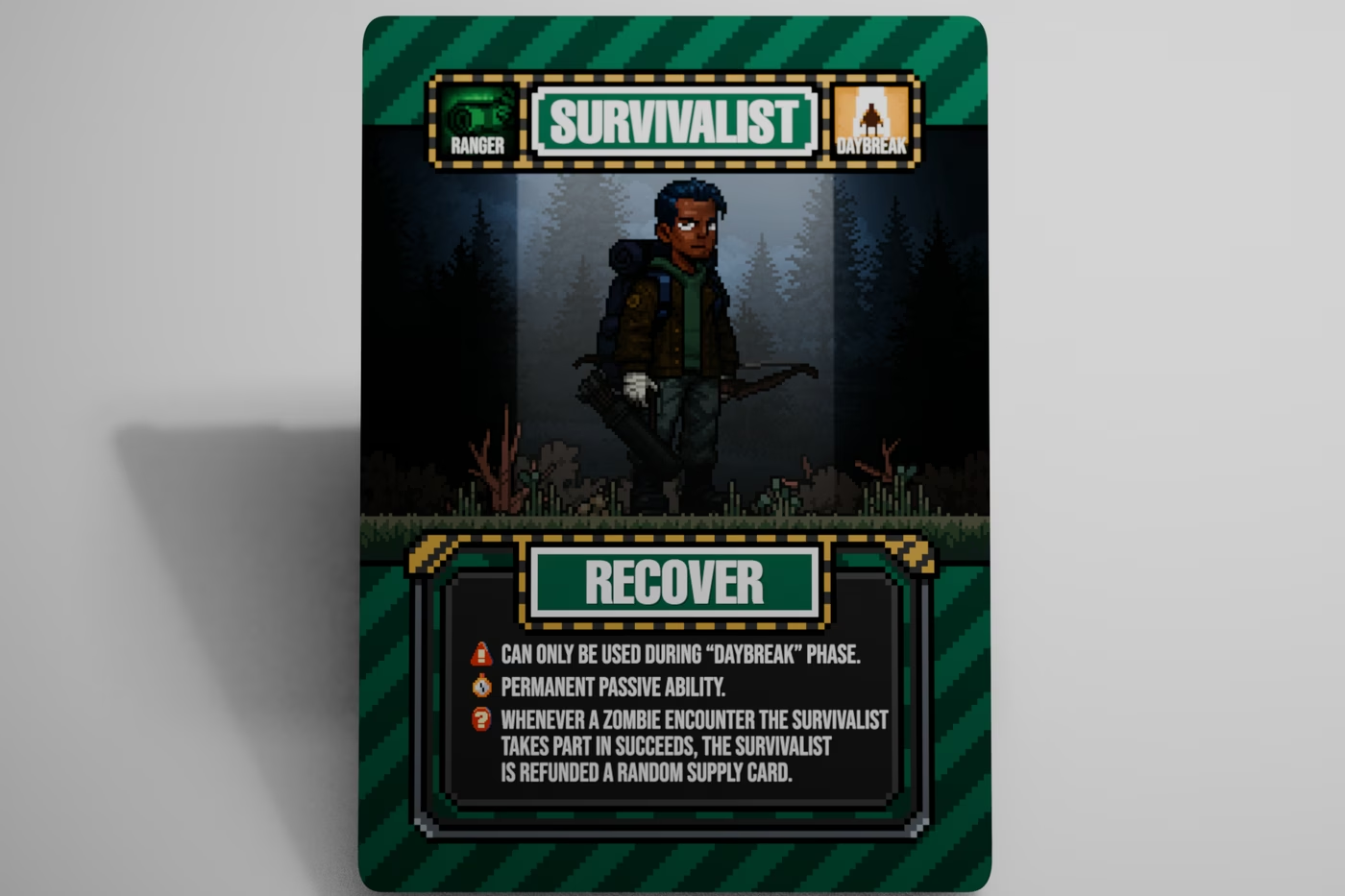
Nightfall (Crisis & High Stakes)
When Nightfall arrives, the atmosphere turns tense and dangerous. Nightfall abilities are opportunistic, secretive, and high-impact:Inspector (Detective): Uses DELEGATE once per game during Nightfall to choose two players and force one to secretly inspect the other’s role—planting crucial intel (or deep paranoia) under the cover of night.
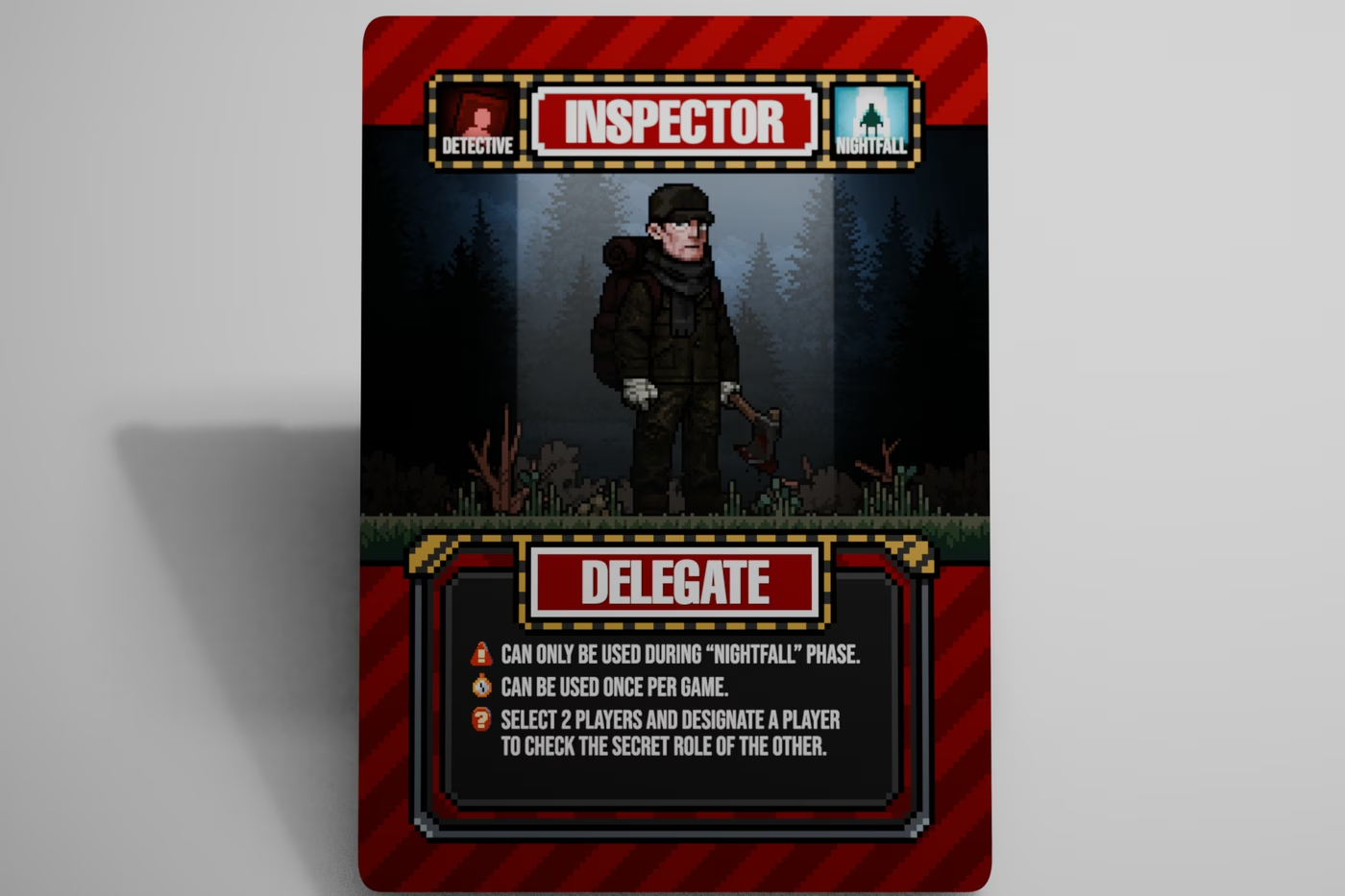
All Phase (Reactive & Flexible)
Certain tactical roles need to respond dynamically regardless of whether the sun is up or down:
- Enforcer (Detective): Uses INVESTIGATE across either Daybreak or Nightfall. Following an unsuccessful escape nomination, the Enforcer can inspect the secret role of a nominated player on their next turn.
Why This Fixed the Table Flow
- No More Ability Clustering: By splitting daytime scavengers from nighttime operatives, players can no longer pile all their powers into a single overwhelming turn. The power curve is distributed evenly across rounds.
- Instant Table Readability: Glancing across the table, players can instantly see the Yellow, Blue, or White badges on everyone’s cards and immediately know whose turn it is to shine.
- Strategic Starting Choice: Giving the first player the choice to open in Daybreak or Nightfall creates an immediate tactical decision: Do we start by stocking up on supplies with our Rangers, or do we start in the dark with our Detectives?
What’s Next?
With the Daybreak/Nightfall rhythm established and card UI standardized, games feel tighter, turns move faster, and every ability feels like a calculated event rather than a spammed action.
We’re getting these new cards onto the table in our upcoming playtests—stay tuned for more updates!