How It Really Started
Before Carrier ever became a board game, it began with an old obsession: Dead Ahead. That little pixel arcade game from years ago was my first taste of the apocalypse. I played it endlessly, then moved on to Dead Ahead: Zombie Warfare, and from there, my love for pixelated Zombies just grew.
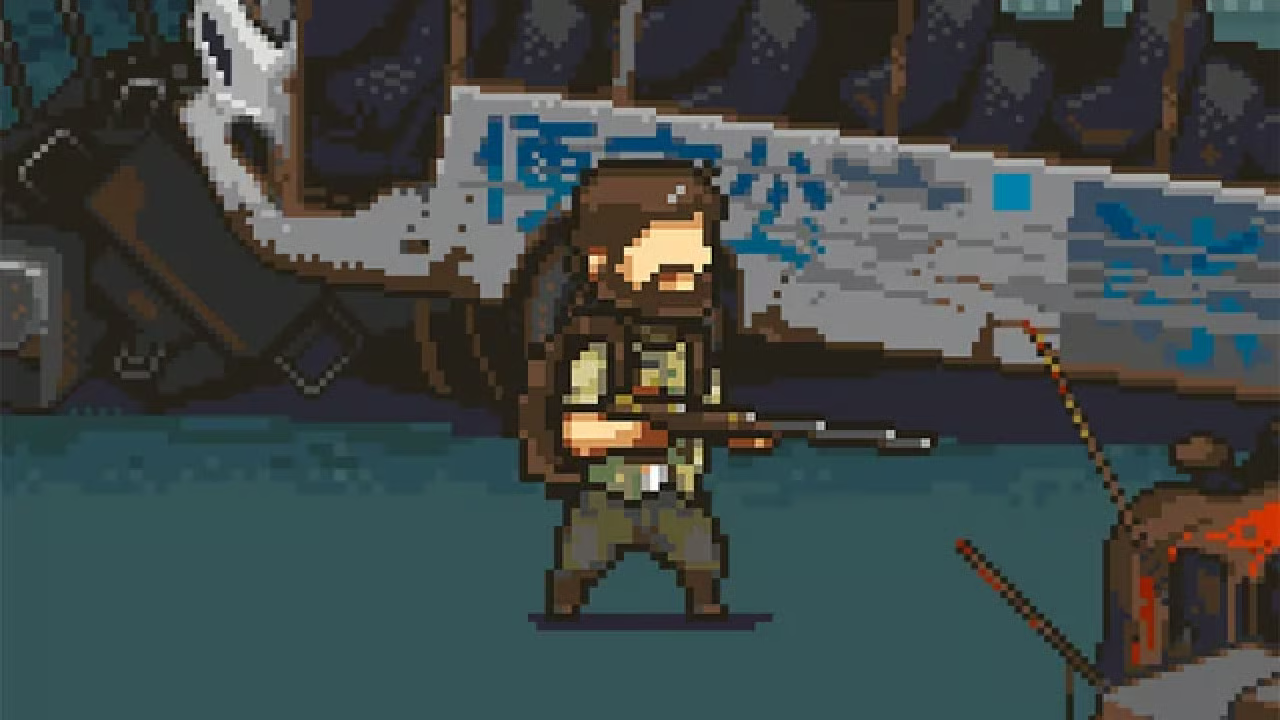
In 2022, I started drawing fan art — mostly trace-overs — of The Last of Us and The Walking Dead. One of the first pieces I finished was Joel, drawn in the Dead Ahead art style, along with a few infected designs.
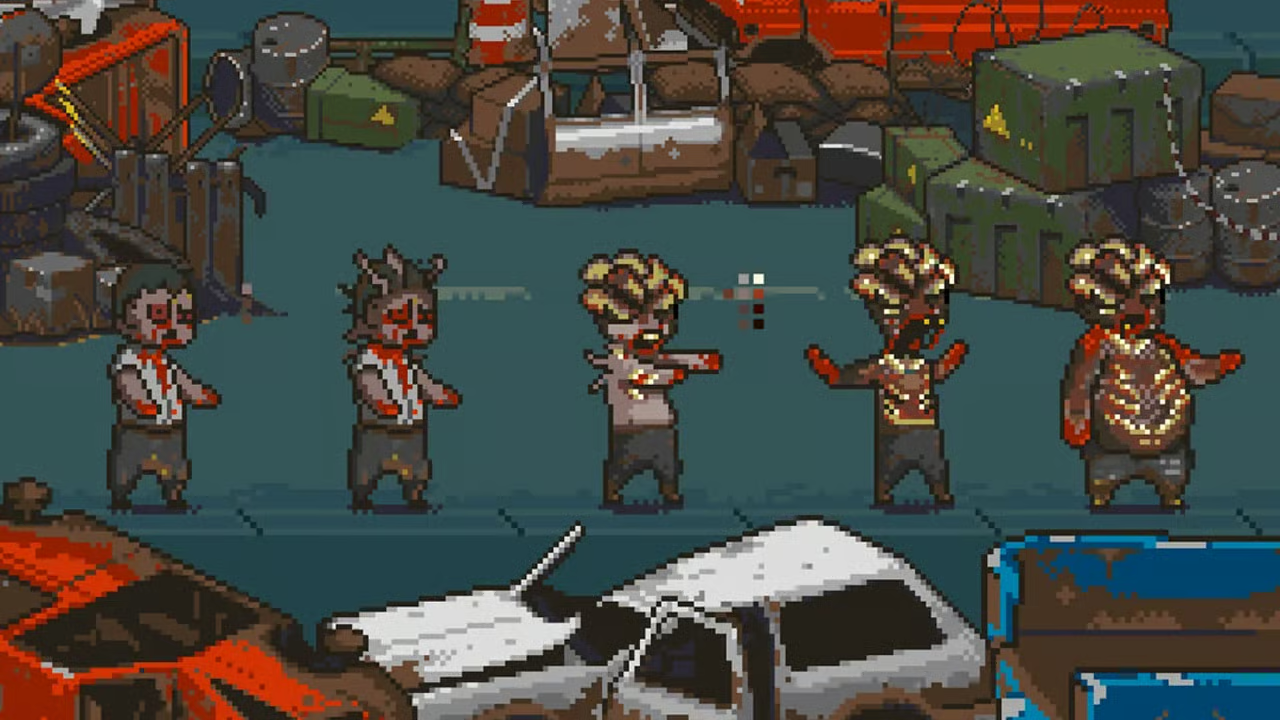
The "Untitled-Zombie-Apocalyptic-Table-Top-Board-Game" thing?
By 2023, I wanted to do more than just draw fan-art. I wanted to build my own world. That's when I started learning proper pixel art. Around this time, I also experimented with AI tools like Midjourney. Back then, I didn't realize how the art community felt about it. I wasn't trying to replace anyone's craft; I just wanted to create something that felt like mine. Most of the backgrounds from those early pieces were clearly AI-made because I simply couldn't design complex scenes yet.
Then came the first Carrier prototypes. They were messy, unbalanced, and full of half-baked ideas — but they existed. I shared them with my friends, including my best friend since childhood, and we tested them together. The game was terrible, but it was becoming a reality. Every playtest, every bit of feedback helped shape what Carrier would eventually become.
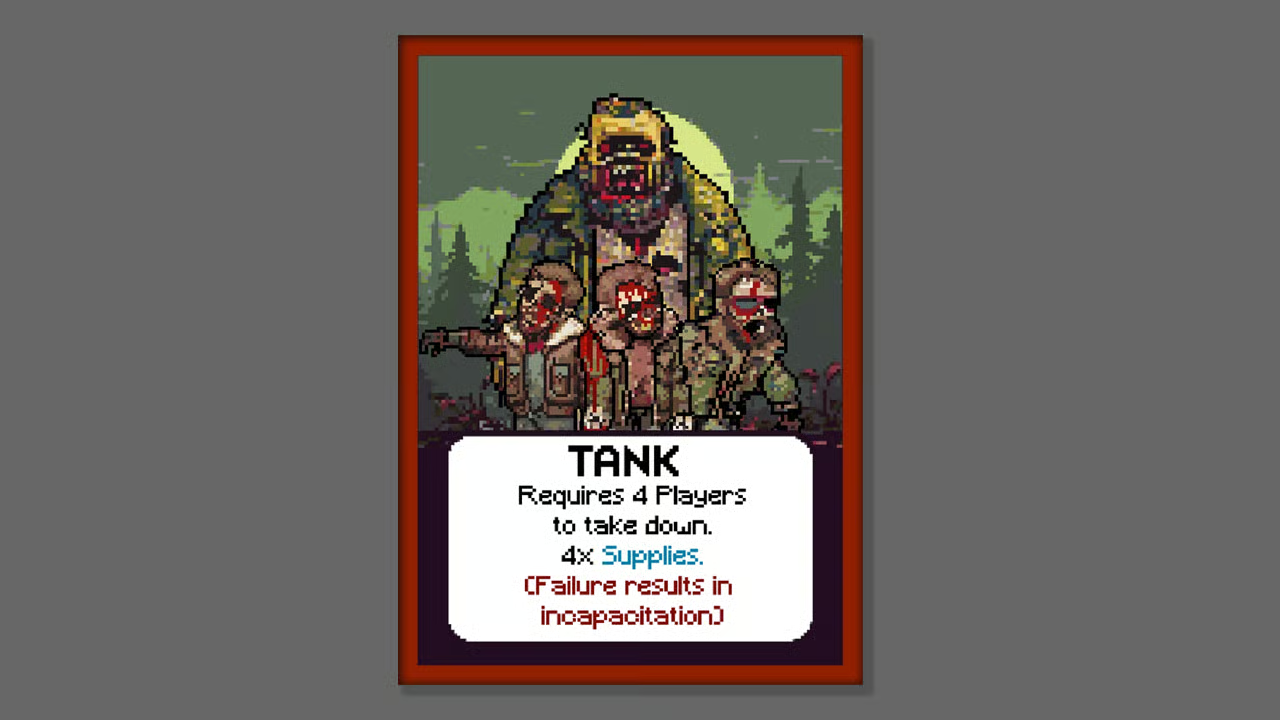
It didn't even have a name back then. I just called it "a game I'm making". The rules barely worked, the balance was off, and I had no idea what I was doing. Honestly, it made me cringe a little. I just liked zombie films — 28 Days Later, Dawn of the Dead — though I don't think many of my friends even knew that.
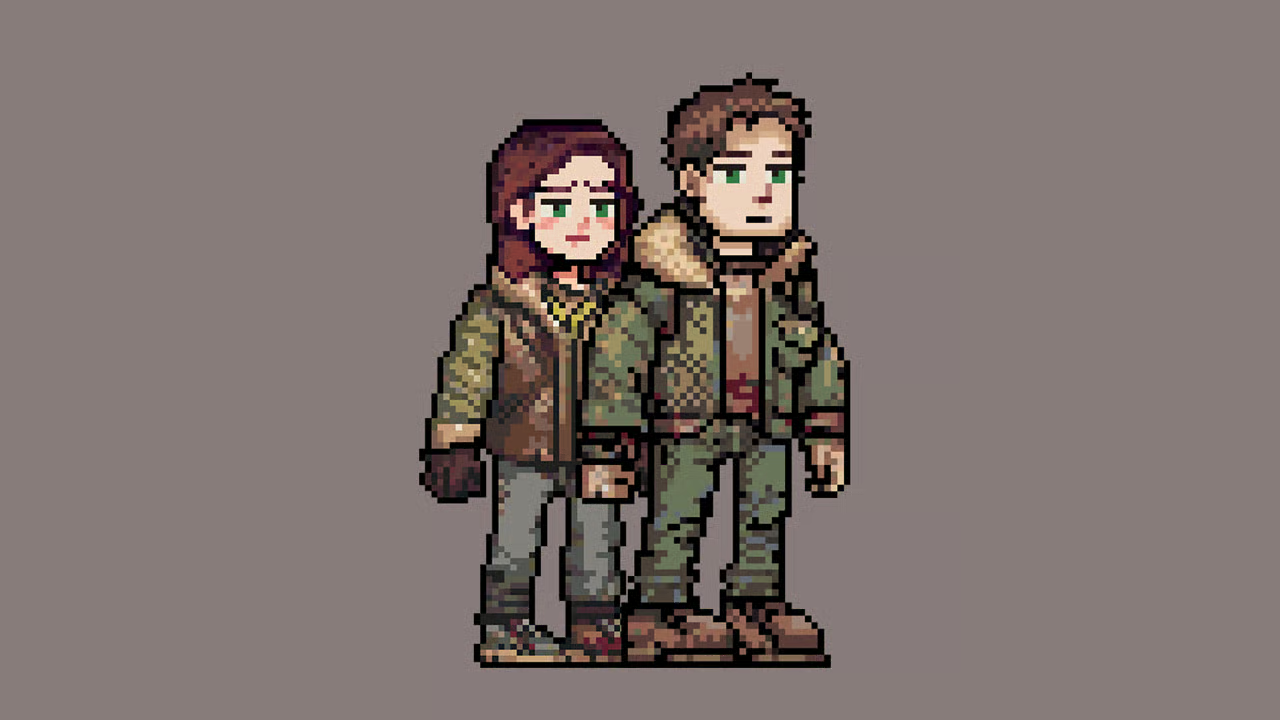
From Player vs Environment to Player vs Player
The first version of Carrier wasn't even a social deduction game. It started out as a PVE concept — a group of survivors working together to fend off waves of zombies.
At first, that sounded fun. But the more I thought about it, the more I realized it would end up feeling like a card game version of D&D — long sessions, heavy structure, and a game master who had to keep things balanced and challenging. It didn't feel sustainable, especially for something I wanted to be replayable and fast-paced.
So I went back to the drawing board.
I started asking myself what would happen if the zombies weren't stupid. The idea that always bugged me about zombies was that they could survive without food or rest. What if the infection didn't just destroy the brain — what if it changed it? What if it used intelligence and instinct to spread, like how cordyceps take over ants and drive them to infect their own colonies?
That thought flipped the direction completely. Instead of the "E" in PVE standing for environment, it became "everyone else." A competitive setup where some players were secretly infected would naturally create tension, mistrust, and conflict — no need for a scripted encounter. The challenge would come from the people sitting across the table.
2024, the year everything started to click — slowly, and mostly by accident.
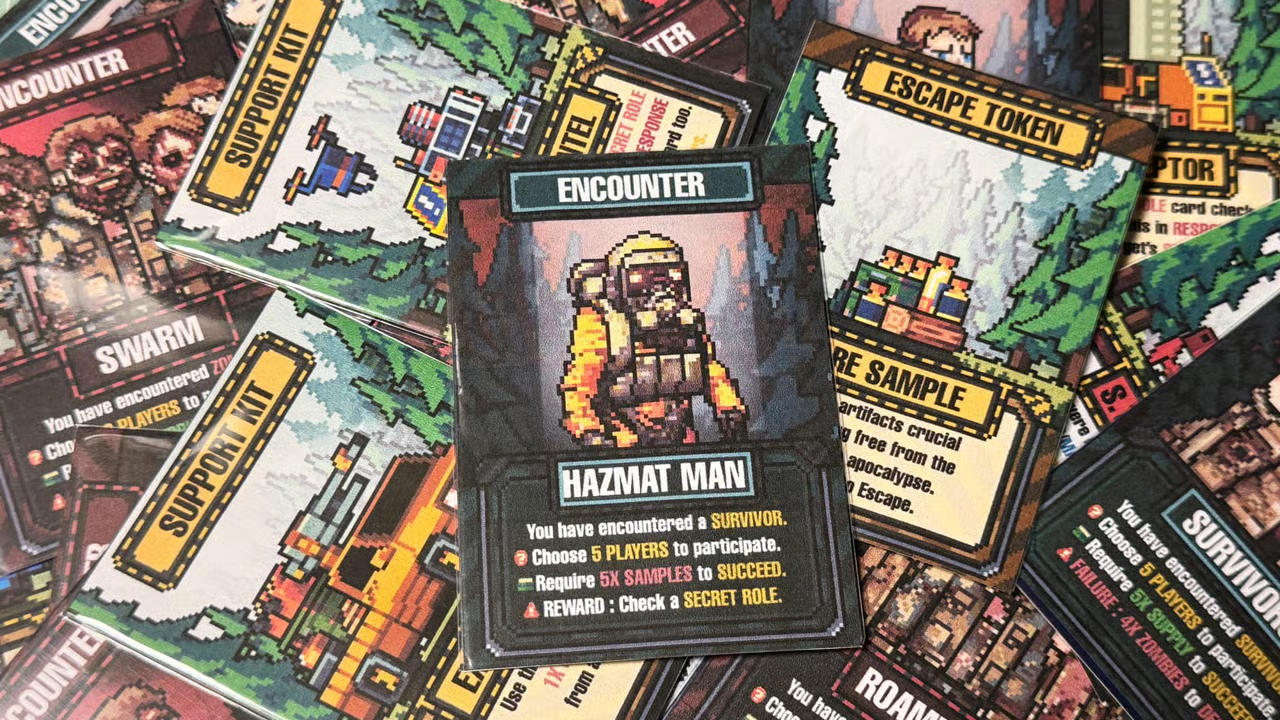
After about a year of working on and off — tweaking designs, redoing characters, and testing rough ideas — I finally built the first real prototype in 2024. On May 16th, I posted it publicly for the first time in a Facebook community called Pixel Art +. It actually got a surprising amount of attention — not viral-viral, but enough that it pushed me deeper into developing Carrier.
That's also where I met Artur Perski, a pixel artist who reached out after seeing the post. We started chatting and eventually collaborated to improve the art. His work was on another level, and it made me realize how much more I had to learn. Because of him, I began studying shading, lighting, and detail work more seriously — watching YouTube tutorials, experimenting with color palettes, and refining my overall art style.
Around this time, I started reaching out to local board-game groups to find players who could actually test the game. That's when I realized how different people approached Carrier — what they noticed, what they argued about, and what broke first.
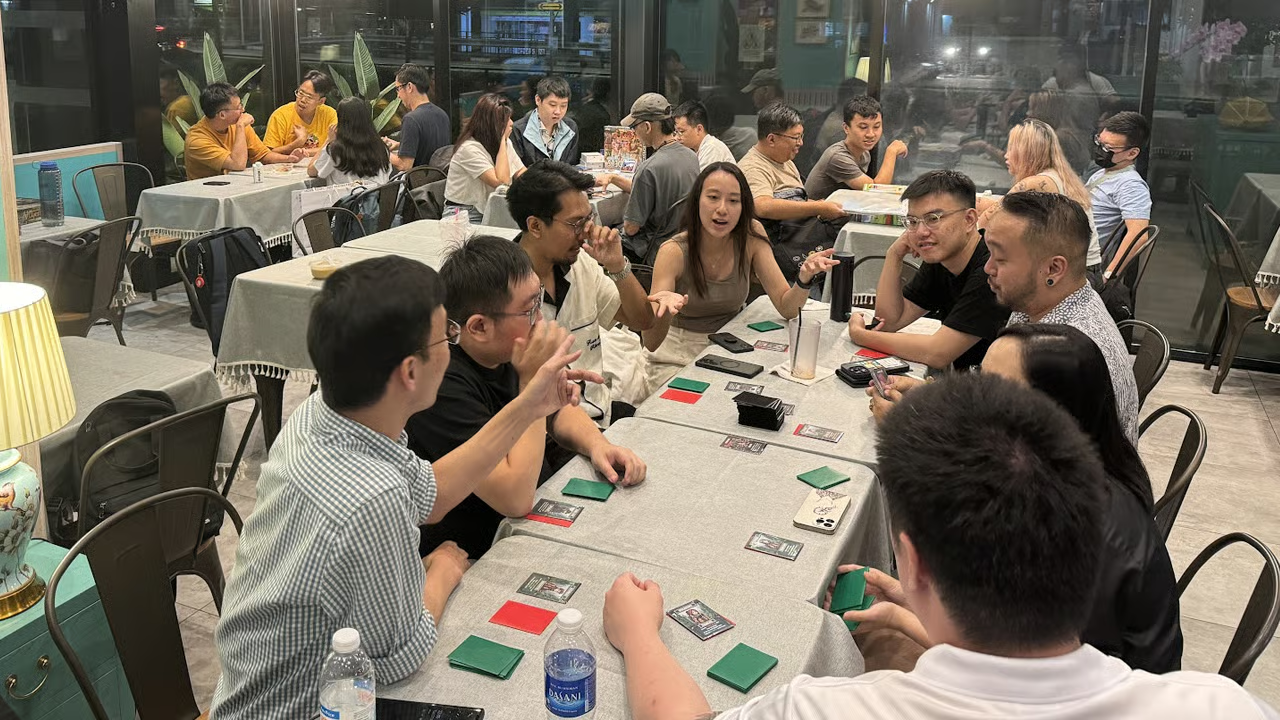
The first few playtests were small, usually around eight to ten players. I was surprised anyone wanted to try it. The game was still rough, the balance was all over the place, and half the rules didn't even make sense outside of my own head. But those early sessions helped more than anything else. Hearing feedback in real time — confusion, laughter, frustration — changed how I looked at the design completely.
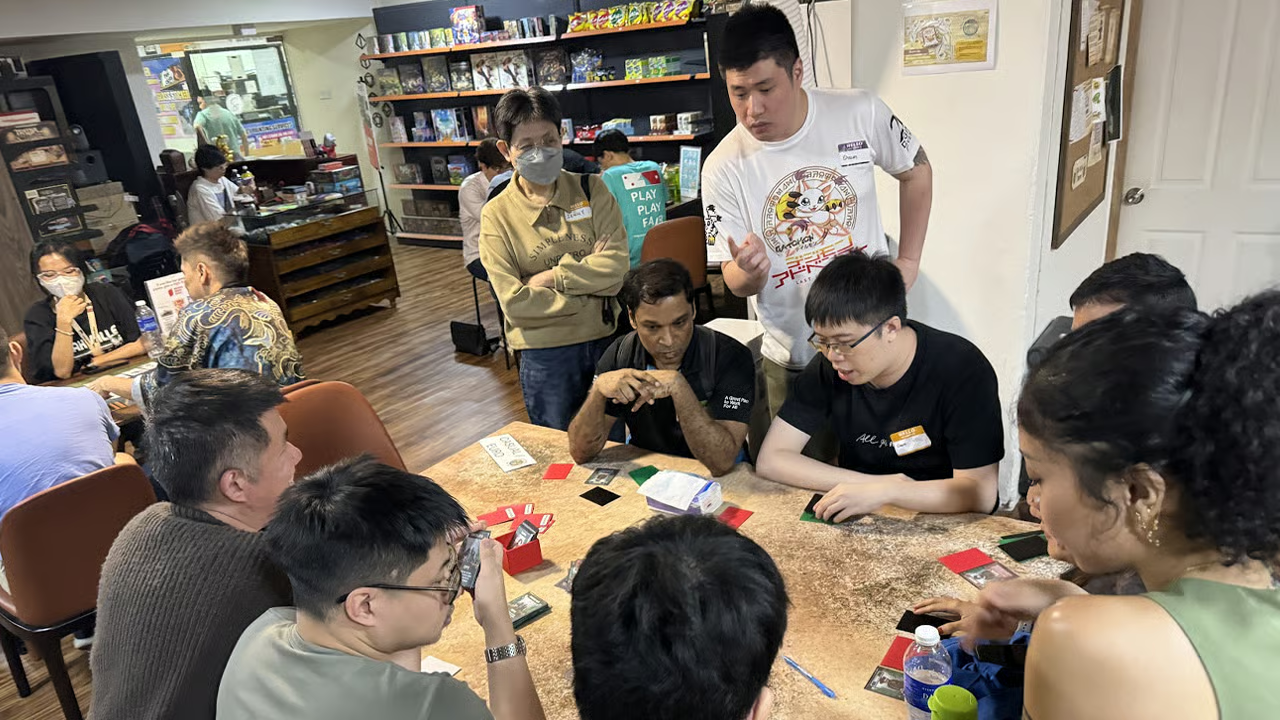
Later on, I got to test it with a larger group of regular social-deduction players — the kind of people who live for bluffing, misdirection, and chaos. They tore the game apart in the best way possible. Their sense of timing and group flow helped me see what kept the tension alive, and what slowed it down. That feedback ended up shaping how Carrier handles interaction, discussion, and pacing today.
Building the World of Carrier
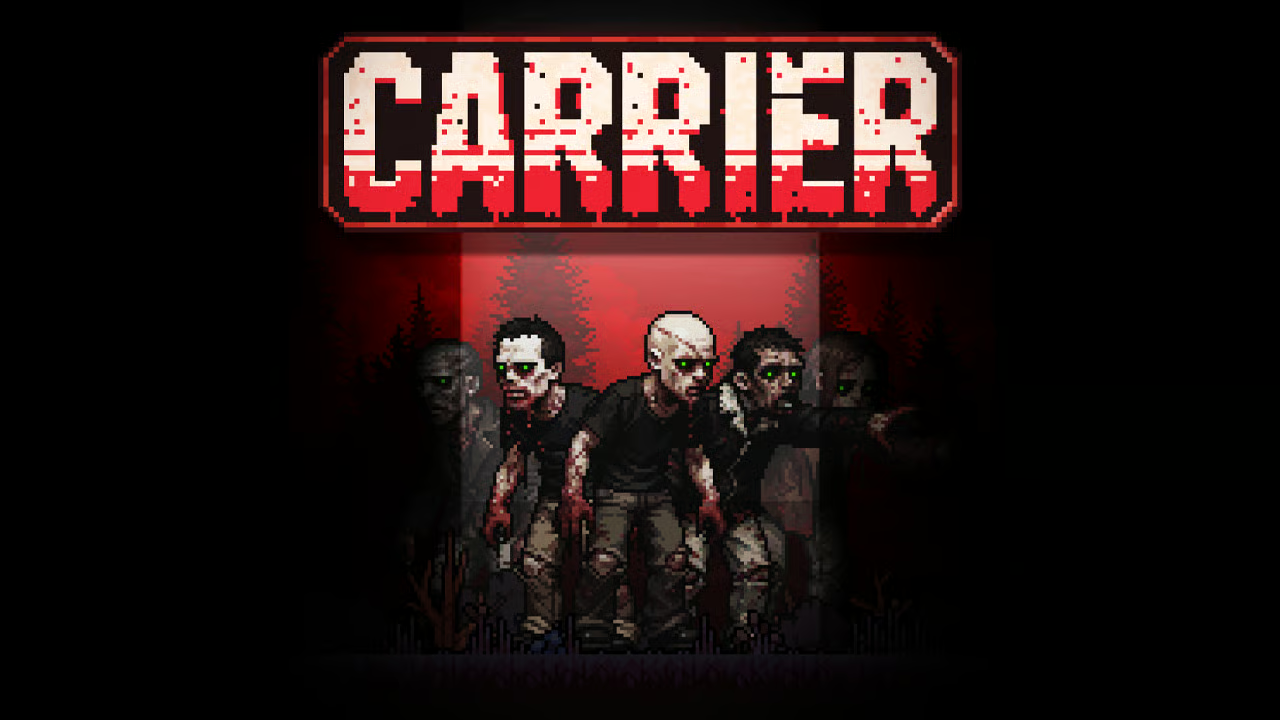
And after a year or so of doing all that, here we are — October 2025, almost the end of the year. It's been close to three years since this project started, and yet… nothing's confirmed. No launch date, no final version, no release — just slow, steady progress. Frustrating at times, but always moving forward.
I think that's what Carrier has become for us — something uncertain, always changing, never quite settled. Maybe that's the point. The game is about surviving through change, and somehow, so is making it. (Also, I checked — there've been 23 revisions so far. That's wild.)
I wouldn't call myself a "real" board game designer — not officially, anyway. But after almost three years of shaping and reshaping this thing, it's hard not to. Every revision, every bit of feedback, every late-night change feels like one more step toward making Carrier something I can be proud of.
That same mindset started shaping the art too. The characters have been redesigned more times than I can count, the lighting's matured, and the shading's become more intentional. Each update brings the game a little closer to what I've been chasing.
At this point, I don't see Carrier as a side project anymore. It's something I want to see through — not hurriedly, but with care. I'm still figuring out the rest (production, publishing, etc.), but that's fine. For now, it's enough to keep moving — one version at a time.
It's still just me, running small game nights for "a game I'm making".